

As a contractor, you have to face tight deadlines, and costs rise every day. MEP estimating can make your project bid a success or a failure. It covers mechanical, electrical, and plumbing work, which often kills most of your budget. Getting you MEP estimates right is the fundamental step that leads you to win more projects with profits. But why is it so tricky? Ignoring any of the items or tools, you will miss the mark. In this blog, we will break MEP estimating into simple steps, so you can see the full picture and avoid common headaches.
What is MEP Estimating?
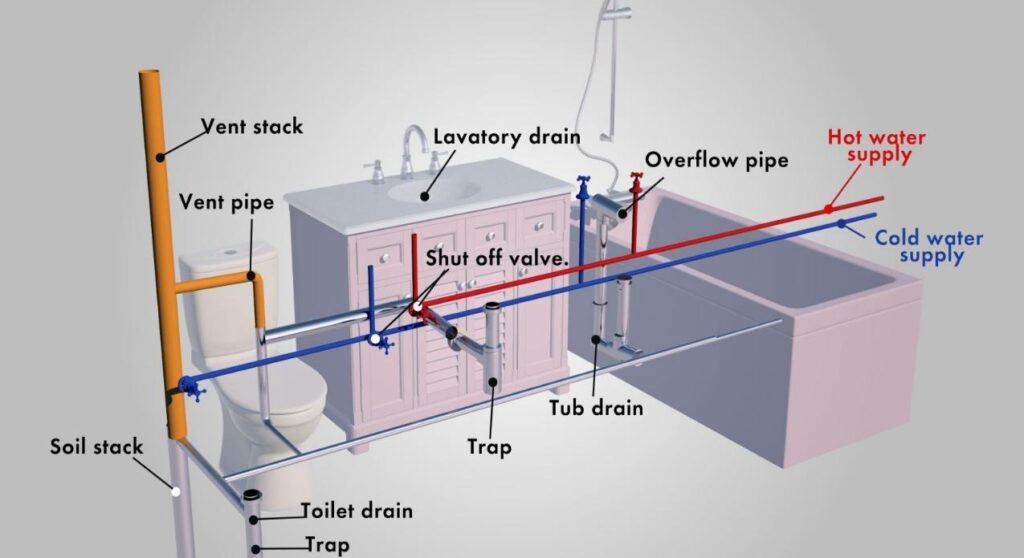
MEP is the standard abbreviation used for mechanical, electrical, and plumbing. It’s the most essential step of any building project. Mechanical estimating covers things like HVAC systems, which are required for air flow and temperature maintenance. This includes the costs for ductwork, air handling units, and vents. Moreover, electrical estimating covers wiring, lights, and power supplies such as circuits through walls and floors. Plumbing estimating estimate, the cost of each pipe, fixture, and water system. It ensures that everything from sinks to drains works effectively without leaks.
Each part needs careful takeoff services to count materials and labor. For HVAC estimating, you estimate the cost for ductwork by length and material type used, like sheet metal or flexible tubes. Plumbing systems may also involve copper pipes or PVC, depending on the demands of the building. All this is according to the mechanical drawings, which represent how everything will fit.
If you’re a general contractor, you might handle one trade well, but MEP combines three. That’s why specialized MEP takeoff services help list every item accurately.
Why MEP Estimates Are More Complex Than Single-Trade Estimates
Single-trade estimates, like just roofing or framing, are straightforward. You count nails or shingles and add labor. But MEP estimating layers in multiple systems must work together. Imagine electrical circuits crossing plumbing pipes; one wrong move, and you have a mess.
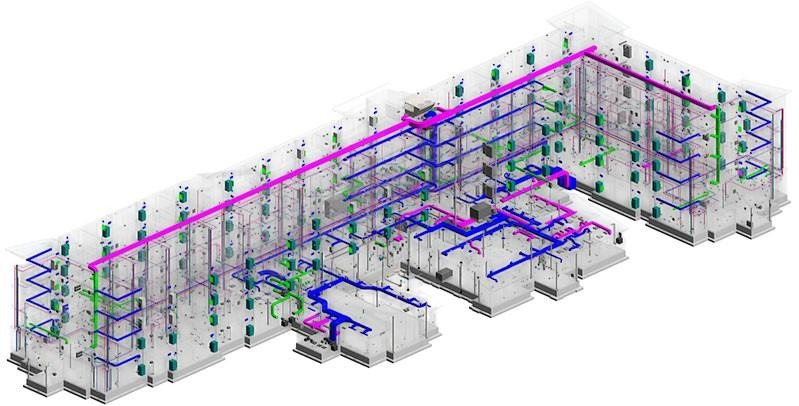
Coordination issues pop up often. Trade clashes happen when mechanical parts block electrical paths. BIM coordination uses 3D models to spot these early, but without it, revisions pile up. Missing specs in plans lead to guesswork, and that means higher costs later. Projects get complex with building codes, energy rules, and site conditions. For instance, air handling units in HVAC need space for maintenance, but tight designs squeeze them in. This is why MEP cost estimates demand experts who know all trades. Busy contractors often struggle here, losing time on fixes that could have been caught up front.
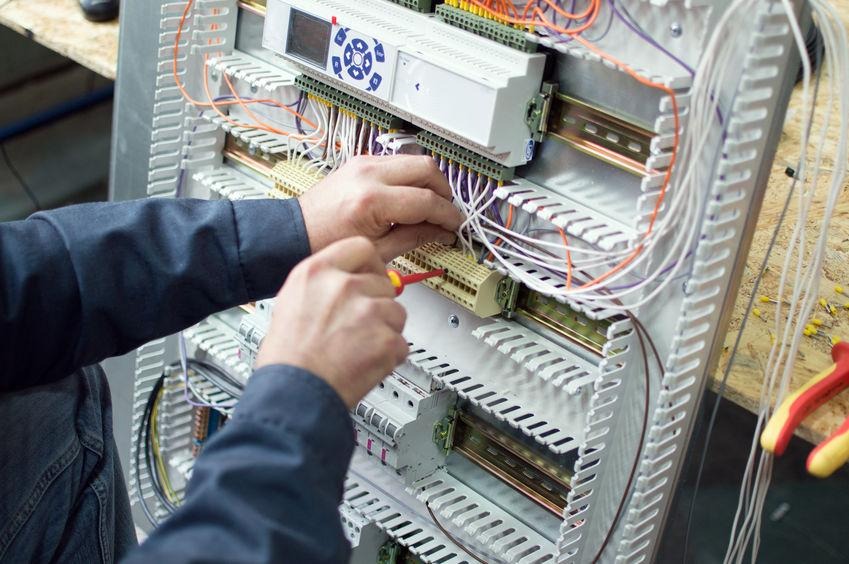
Typical Cost Drivers in MEP Systems
Costs in MEP can skyrocket if you’re not paying close attention. One missed detail, and your profit disappears overnight. Here are the real things that move the needle on every project:
1. Materials – The Biggest Moving Target
Copper prices for electrical circuits, galvanized steel for ductwork, PEX or copper for plumbing lines, all of these swing hard with the market. A single spike in copper can add tens of thousands to a mid-size project in weeks. Smart contractors check material costs the same week they send the bid, not a month earlier.
2. Labor – Skilled Trades Aren’t Cheap
A journeyman plumber or electrician in a hot market like Dallas or Miami can easily run $90–$120 per hour with burden. Add overtime or night-shift premiums on fast-track jobs, and labor alone can jump 25–30 %.
3. Major Equipment
One 50-ton air handling unit can cost $60,000–$100,000 before you even lift it into place. Chillers, boilers, VAV boxes, pumps, and generators add up fast. Then come rigging, cranes, and setting expenses that many contractors forget to carry separately.
4. Energy Efficiency & Code Requirements
Owners want LEED points or just lower utility bills, so you end up with premium ECM motors, heat-recovery wheels, or low-GWP refrigerants. Those upgrades can push mechanical costs up 15–20 % upfront, even if they pay back later.
5. Site Conditions & Access
Tight urban sites, high-rises, or remodels with no elevator access mean sky-high rigging and scaffolding costs. Running new plumbing or duct through an existing building often doubles or triples the labor hours compared to new construction.
6. Overhead, you must not ignore
Permits, testing & air balancing, insurance, bonds, temporary power, dumpsters, and cleanup all hit the MEP trades hard. On hospital or lab work, medical gas certification and special waste disposal can add another 5–8 %.
Common Issues: Coordination, Clashes, Missing Specs, Revisions
1. Coordination issues: MEP projects rarely go smoothly. Coordination issues top the list; teams from different trades don’t talk enough, leading to clashes. For example, a duct might block a light fixture, forcing on-site changes that delay work and add costs.
2. Trade clashes: are common in tight spaces. BIM coordination helps by modeling everything in 3D to find problems before building starts. But if plans have missing specs, like unclear pipe sizes, estimators fill in gaps, risking errors.
3. Revisions: happen when owners change their minds or when there are code updates. One study found that poor coordination causes 10-15% rework in projects. These issues hit contractors hard, eating into profits. Spotting them early through detailed MEP takeoff services saves headaches.
Contractor Mistakes in MEP Bidding
Many contractors slip up in bidding. One big mistake:
1. underestimating labor: MEP work needs pros, but bids often skimp on hours, leading to overruns.
2. Ignoring material price: swings. Ductwork cost can jump 20% in months, blowing budgets.
3. Bidding without a strategy: hurts, too. Some chase every job, spreading thin without checking plans for clashes. Data entry errors, like wrong counts in mechanical estimating, throw off totals. Neglecting early coordination means more change orders later.
In a Reddit thread, engineers shared how omissions in drawings lead to surprise costs. Avoid these by double-checking specs and using tools for accurate HVAC estimating or plumbing takeoffs.
Benefits of Outsourcing MEP Estimating to ALM
Running a contracting business is hard enough without spending nights and weekends trying to figure out duct sizing, circuit loads, and medical-gas piping. When you outsource your MEP estimating, like ALM estimating, your bids are fast and successful.
1. Accuracy from Real Trade Pros
ALM estimators aren’t fresh out of school. They’re former mechanical foremen, electrical project managers, and master plumbers who have actually built the systems they price. They catch the expensive surprises (missing roof penetrations, wrong transformer sizes, unbuildable plumbing chases) before you ever submit the bid.
2. Turnaround So Fast to Beat the Deadline
AM is estimating to routinely deliver fully detailed, bid-ready numbers in 48–72 hours. So, you can submit more bids and win more work without burning out your team.
3. Zero Overhead and Predictable Costs
No salaries, no benefits, no $15,000-a-year software seats, no training new hires every spring. You only pay a small flat fee per project, usually 0.10 % to 0.25 % of the MEP value, and suddenly, your estimating department costs less than your previous budget.
4. Drop in Change Orders and Profit Leaks
Our clients see change orders on MEP scopes drop by an average of 70 %. That’s tens or hundreds of thousands of dollars that stay in your pocket instead of going to fix mistakes you never should have made in the first place.
5. BIM Coordination Included at No Extra Charge
Every estimate comes with 3D clash detection. Ducts hitting steel, sprinklers blocking light fixtures, conduits running through air plenums, we find and fix it in the model so your field crews aren’t wasting weeks on rework.
Conclusion:
MEP estimating shapes your success as a contractor. MEP estimates demand attention to mechanical, electrical, and plumbing details, where small oversights lead to big problems. By understanding cost drivers and common pitfalls, you can bid smarter and avoid budget overruns. Outsourcing offers a smart path forward, bringing expertise without the hassle. Remember, accurate estimates build trust with clients and keep projects on track. In the end, mastering this means more wins, less stress, and stronger profits. Take these tips to heart, and watch your business grow.
Boost Profits Immediately! Outsource to ALM Estimating and stop wasting hours on estimates. ALM Estimating has an expert team for handling your MEP estimating and your profit. Contact us now and Claim your 30% discount on your first estimate.
FAQs
Q1. What is MEP estimating?
MEP estimating calculates costs for mechanical, electrical, and plumbing in buildings. It includes materials like pipes and wires, plus labor and equipment, to create a full budget for contractors.
Q2. Why is MEP more complex than other estimates?
It involves three trades that must fit together. Issues like clashes between ducts and wires make it tricky, needing tools like BIM to coordinate everything without errors.
Q3. What are the key cost drivers in MEP systems?
Materials such as copper pipes or air units drive costs, along with skilled labor and site factors. Energy rules and market prices also play a big role in the final tally.
Q4. How do coordination issues affect MEP projects?
Poor coordination leads to clashes, delays, and extra costs. Early checks with 3D models help spot problems before building starts, keeping things on schedule.
Q5. What common mistakes do contractors make in MEP bidding?
Underestimating labor or ignoring price changes are big ones. Also, bidding without full plan reviews often misses specs, leading to surprise expenses later.
Q6. How can BIM coordination help in MEP estimating?
BIM creates 3D views to find trade clashes early. This cuts revisions and saves money by fixing issues on paper, not on the job site.
Q7. What are MEP takeoff services?
These services count every item from plans, like duct lengths or fixture numbers. They ensure accurate quantities for better cost control in bids.
Q8. Why outsource MEP estimating?
It gives access to experts for fast, precise work without hiring full-time staff. This helps busy contractors focus on building while cutting error risks.
Q9. How does HVAC estimating fit into MEP?
HVAC is the mechanical part, covering air systems like ducts and units. Accurate estimating here prevents over- or under-budgeting on comfort features.
Q10. What benefits come from accurate MEP cost estimates?
They help win competitive bids, avoid overruns, and build client trust. In the long run, they lead to smoother projects and higher profits for contractors.