
In the construction world, picking the right contractor can make or break a project. Owners face a tough choice, having dozens of bids, but not every company can handle the job without delays, extra costs, or safety issues. That’s why prequalification exists. It’s the early check that filters contractors before full bids even arrive. And at the center of this process? Construction estimating. Good estimates don’t just show costs. They prove a contractor knows the work, has the money to back it up, and can spot risks early. In 2026, material prices are rising, bigger projects demand more labor. Therefore, owners rely more on solid estimating during prequalification and shortlisting. This step saves time, cuts risks, and leads to smoother builds. Let’s look at how estimating fits into every part of this important process.
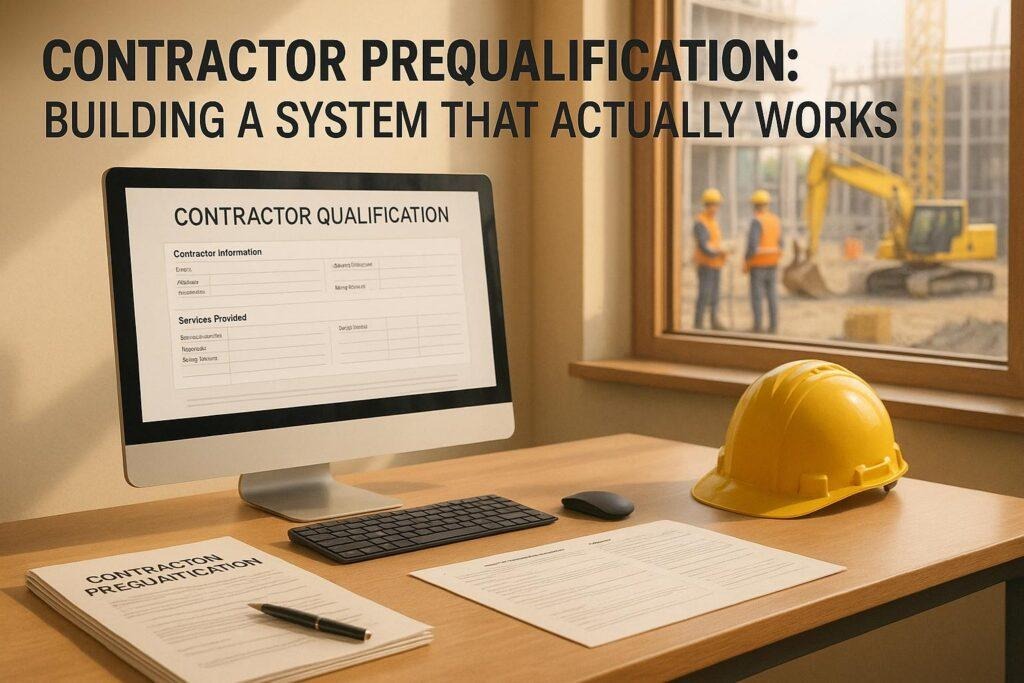
What Prequalification Means in Construction Projects
Prequalification is the first big hurdle contractors face when chasing a project. Owners use it to review companies before they submit detailed bids. The goal is simple, make sure only qualified and capable contractors reach the shortlist. This is common on large public jobs, infrastructure work, or private builds where millions are at stake.
Owners set clear rules called owner prequalification criteria. These often include similar projects experiences, safety records, and insurance details. Without prequalification, anyone could bid leading to weak teams winning contracts. But only to cause problems later. Prequalification acts like a quality gate. It checks if a contractor meets basic standards so the bidding stays fair and focused on the best fits.
How Estimates Are Used to Assess Contractor Capability
Estimates reveal a contractor’s true skills. During the contractor prequalification process estimating helps owners see if you can handle the full job. It’s not just about total price. It’s about the breakdown. Does the estimate cover materials, labor, equipment, overhead, and contingencies? A detailed, realistic estimate proves you understand blueprints, site conditions, and local rules.
Owners look closely at how well your numbers match the project plans. If quantities are off or labor hours seem unrealistic, it raises doubts about your capability. Past performance ties in here too. Owners often ask for examples of old jobs and compare your past estimates to actual costs. If you consistently came in close to budget before, it shows reliability. In the qualification stage of bidding, this matters a lot. A contractor who submits sloppy estimates might get cut early, even if their price looks good.
Professional estimating makes this easier. It uses current data, software tools, and experience to create clear, accurate breakdowns. This helps contractors stand out as capable and prepared.
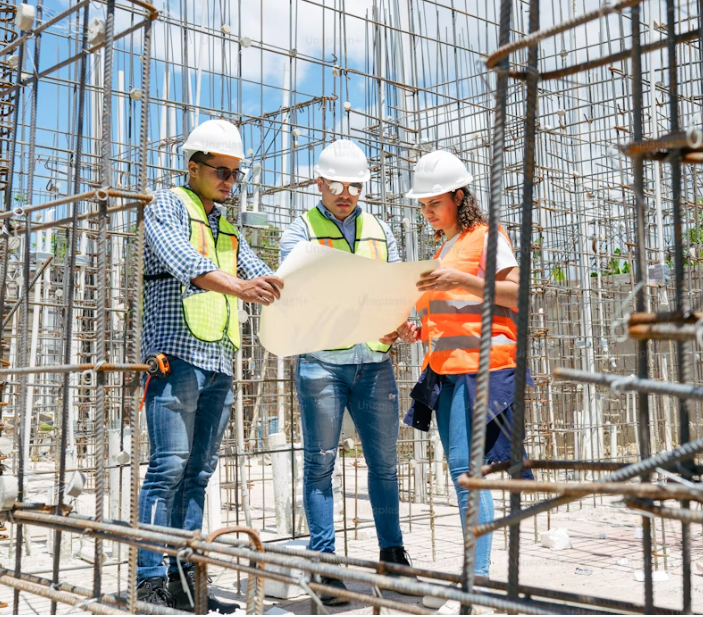
Financial Thresholds & Workload Evaluation
Money is a make-or-break factor in prequalification. Owners set financial thresholds to ensure contractors have the cash and backing to finish the job. This includes checking net worth, cash flow, credit, and bonding capacity. Your estimate connects directly to this check.
In contractor financial capacity reviews, owners look at your current workload. How many projects are you running? What’s their total value? If your estimate shows this new job pushes you over your safe limit, it signals risk. Overloaded contractors often face delays or quality drops. Estimates help prove you can manage the workload without stretching too thin.
Bonding is another key part. Many owners require proof you can get a performance bond. Your estimate supports this by showing realistic costs that align with your finances. Miss the financial thresholds, and you’re out, no matter how good your bid looks later. Solid estimating keeps these numbers balanced and believable.
Risk Signals Owners Look for in Estimates
Risk screening is a big reason owners prequalify contractors. They want to spot trouble before it starts. Estimates are full of clues about potential risks. Some are:
Slower Bids
One common red flag is that bids are way too low. Owners know cheap estimates often mean cut corners, hidden change orders, or desperation. In the pre-bid evaluation process, these stand out fast.
Inconsistencies
This is another issue, if material counts don’t match drawings or labor seems under planned, it suggests weak risk awareness. Past performance adds weight, if old estimates led to big overruns, owners see a pattern.
Ignored Risk Factors
Owners also watch for ignored risks like bad weather, supply delays, or site challenges. A good estimate includes contingencies for these. If yours skips them, it looks like you’re not thinking ahead.
The goal is to shortlist contractors who lower overall project risk. Clear, thoughtful estimates help you pass this test and show you’re a safe choice.
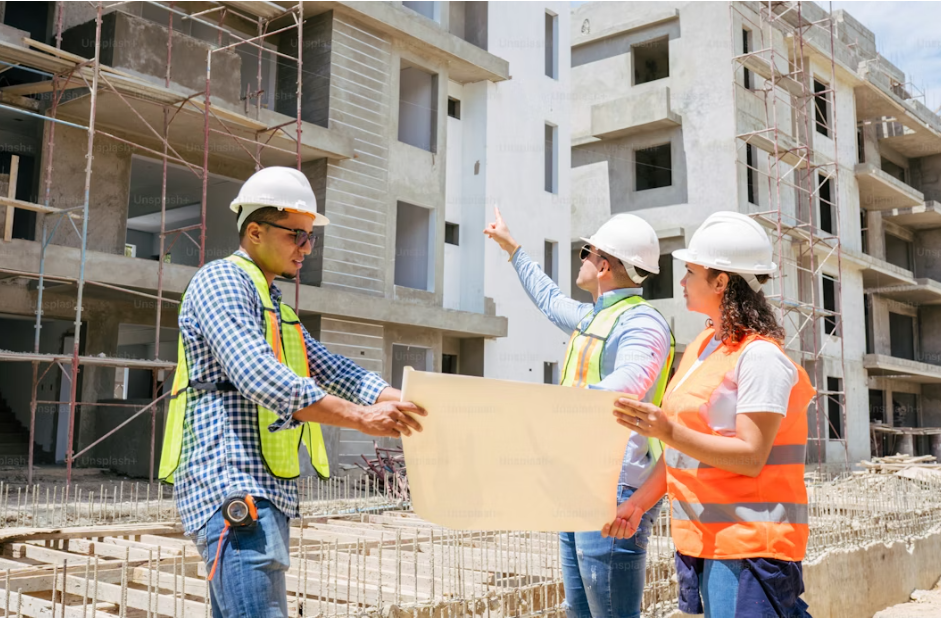
How Professional Estimating Improves Shortlist Approval
Professional estimating services give contractors a serious competitive advantage in prequalification. Here’s exactly how they help you win more shortlists:
- Deliver Precision that Owners Trust
Experts produce clean, detailed, well-documented estimates that hit every owner’s expectation spot-on.
- Use Real-Time Data & Smart Tools
They pull current market pricing, historical project benchmarks, and advanced software. It eliminates outdated costs, missed items, or shaky assumptions that kill submissions.
- Catch and Kill Risk Signals Early
Pros identify red flags before owners do and fix them so nothing raises alarms.
- Showcase your strengths clearly
They balance financials to prove capacity without overload. They highlight your real advantages such as proven past performance, scope mastery, and smart risk handling.
- Boost shortlist approval rates
Contractors using professional estimates consistently, see higher success. It makes you move from “maybe” to confidently.
- Save time & reduce stress
No more frantic late-night revisions or guesswork. You submit faster, with greater confidence, while owners see serious skill and reliability right away.
The Benefits of Strong Estimating in Prequalification
Going beyond just clearing the prequalification hurdle, accurate estimating delivers real, lasting advantages. Contractors win more work and build stronger relationships. Here’s what you gain:
- Builds Lasting Owner Trust and Reputation
Owners remember contractors who submit reliable, well-thought-out estimates. Consistent quality makes you a go-to choice for future projects.
- Speeds up Reviews and Approvals
Clear, detailed, error-free estimates mean fewer follow-up questions. There are faster decisions that get you to the shortlist quicker.
- Increases Repeat Invitations
Shortlisted contractors with proven estimating accuracy are often invited back for future bids. Owners prefer teams they know won’t surprise them with cost or schedule issues.
- Levels the Playing Field for smaller firms
Sharp estimating showcases efficiency, smart planning, and real capability. It allows smaller contractors to compete head-to-head with larger players.
- Drives Higher Success Rates
Industry reports show contractors using accurate, professional estimates achieve better prequalification outcomes. Often 20% or more improvement in approval rates compared to average submissions.
Common Pitfalls and How to Avoid Them
Many contractors trip up during prequalification estimating. Here are the main ones and fixes:
- Using Outdated Prices: Material costs change fast. Always pull current market data.
- Skipping Site-Specific Details: No site visit? Estimates miss real risks like soil or access issues. Visit every time.
- Vague Breakdowns: Owners want itemized numbers. Provide clear quantities and units.
- Hiding Workload: Not listing current jobs looks shady. Be open about capacity.
- Generic Submissions: One-size-fits-all estimates fail. Tailor each one to the project.
Avoid these by double-checking work, using checklists, and getting a second review. Small fixes make big differences in approval chances.
Top Strategies for Estimating Success in Prequalification
Want to consistently beat the competition and land more shortlists? Build these proven habits into your estimating process:
- Adopt Digital Takeoff Tools
Cut human errors dramatically and slash time spent on quantity work. Modern software reads plans, auto-counts materials, and generates accurate takeoffs in minutes.
- Partner With Experienced Estimators Who Know Your Market
Bring in specialists familiar with your project type, region, and current challenges. Their insider knowledge delivers realistic, competitive numbers owners respect.
- Benchmark Costs Against Recent Similar Jobs
Compare your unit prices and productivity rates to recently awarded or completed projects in your area. This keeps estimates grounded in today’s real market—not last year’s data.
- Include Clear, Explained Contingencies
Don’t just add a flat percentage. Call out specific risks (weather delays, supply volatility, site access issues) and justify the buffers. Owners see this as smart, transparent planning, not padding.
- Review Past Prequalification Submissions
Look back at what got approved and what got rejected. Identify patterns: Which details impressed? Which assumptions raised red flags? Turn lessons into stronger future packages.
- Document Everything With Solid Backups
Attach pricing sources, supplier quotes, historical data references, and calculation notes. Transparency builds trust and speeds up reviews; owners hate chasing proof.

Conclusion:
Construction estimating is far more than numbers on a page. In contractor prequalification and shortlisting, it proves capability, financial strength, and risk smarts. Owners depend on it to pick teams that deliver without surprises. Pitfalls exist, but professional help and smart strategies overcome them. With trends like digital tools and performance focus, strong estimating is more important than ever. Make it your advantage, craft estimates that show you’re ready, reliable, and right for the job. The result? More shortlists, stronger projects, and better business.
Strengthen your prequalification submissions today. Contact ALM Estimating for expert construction estimating services that highlight your strengths and improve shortlist chances. Get your free consultation now!
FAQs:
Q1. What is contractor prequalification in construction?
It’s the process owners use to vet contractors before they bid. It checks experience, finances, safety, and more to ensure only qualified teams move forward.
Q2. How does construction estimate help in prequalification?
Estimates show your understanding of the project, financial fit, and risk awareness. Accurate ones prove capability and help you pass to the shortlist.
Q3. What financial capacity elements do owners review?
Net worth, cash flow, bonding ability, and current workload. Estimates show if the new project fits without overloading your resources.
Q4. Why is past performance important in shortlisting?
It predicts future success. Owners compare old estimates to actual results, if you stayed on budget before, you’re seen as low-risk.
Q5. What risk signals appear in estimates during screening?
Too-low bids, mismatched quantities, ignored site risks, or no contingencies. These suggest poor planning or hidden issues.
Q6. How do professional estimating services boost shortlist approval?
They create detailed, error-free estimates that meet criteria, fix risks early, and present you as reliable and capable.
Q7. What are common bid eligibility requirements tied to estimating?
Minimum experience, financial thresholds, and realistic cost projections. Estimates must prove you can deliver within budget and scope.
Q8. Can smaller contractors succeed in prequalification against larger ones?
Yes, with sharp, customized estimates that show efficiency, good past work, and solid capacity. Pros help close the gap.
Q9. What trends affect prequalification in 2026?
Digital platforms for faster reviews, more performance-based scoring, sustainability in estimates, and tighter financial/risk checks.
Q10. How can I improve my estimates for prequalification?
Use current data, customize per project, add contingencies, document sources, and consider pro services for accuracy and polish.