
Have you ever started a construction project and faced budget overruns during your project? It’s a common challenge for contractors and owners in the USA that there is an unexpected increase in the budget costs and missed deadlines, and turn your smooth project into a stress. But there’s a way to avoid all that trouble. Early cost planning through preconstruction estimating can make the difference between winning bids and losing money. In this blog, we’ll break down the preconstruction estimating and why it matters, and how it helps you detect risk earlier. By the end, you’ll see why getting this right is key to winning more projects and keeping clients happy.
What is Preconstruction Estimating
Preconstruction estimating is calculating the total estimate for building construction before starting work on site. Preconstruction estimate is started during the planning stage, when designs are in paper form and decisions are to be made for materials, labor, and timelines. In the USA, this is especially important to consider that construction rules, material prices, and labor rates vary by state. For example, costs in California differ a lot from those in Texas due to local codes and supply chains. At its core, this estimating covers everything from land prep to final finishes. It includes conceptual estimating, where you start with rough ideas and move to more detailed numbers as plans firm up. Think of it as mapping out the money side of your project early on. Without it, you’re guessing, and guesses usually lead to big surprises.
In a competitive market like construction in the USA, accurate bids win jobs. If your estimate is too high, you lose the bid. Too low, and you eat the extra costs. Preconstruction estimating helps you hit that sweet spot. It also spots potential issues, like rising steel prices or permit delays, before they become problems.
Why Early Cost Planning Matters in Construction
Early cost planning isn’t just your first step in a process. It’s an essential step for staying competitive. Research showed that decisions made before starting the groundwork influence up to 80% of a project’s final cost. That’s huge. By planning costs early, you gain control over the whole project. It lets you adjust designs to fit the budget without cutting corners that could hurt quality. One big reason is risk reduction. Construction projects face all sorts of uncertainties, including weather delays, supply shortages, and unexpected site conditions. Early planning helps you build in buffers for these. For instance, if you’re doing feasibility cost planning, you can check if the project even makes sense financially before investing too much time.
It also improves teamwork. When estimators, architects, and contractors talk early, everyone aligns on goals. This cuts down on changes later, which are a top cause of budget overruns. In fact, studies indicate that good preconstruction practices can improve cost estimate accuracy by 34% with the right tools. That means fewer headaches and more profits.
For contractors in the USA, this is important because of the tough industry. Labor shortages and material cost shifts, like the recent increase in lumber, can disturb your projects. Early cost planning services in the USA help navigate these by using local data for better forecasts.
How Early Estimates Improve Project Control
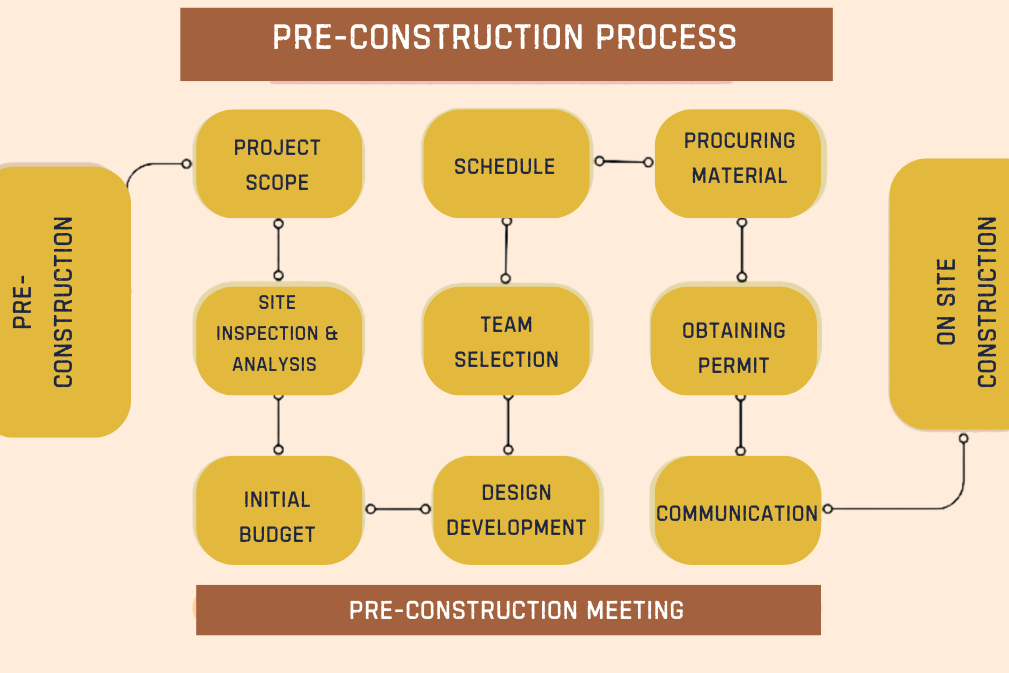
Getting estimates early puts you in the driver’s seat. It starts with preconstruction budgeting, where you set a realistic spending plan based on initial designs.
- Lock in a Real Budget Up Front: Start with solid preconstruction budgeting using early designs. Catch expensive extras, like a high-end façade, and swap for affordable fixes before plans are set.
- Watch Costs Shift as Plans Grow: Design-phase budgeting shows every change in real time. Jump on value engineering to trim fat without hurting the build’s purpose.
- Get Everyone on the Same Page: Shared numbers pull architects, contractors, and owners together. Keeps the focus on client goals and cuts out late surprises.
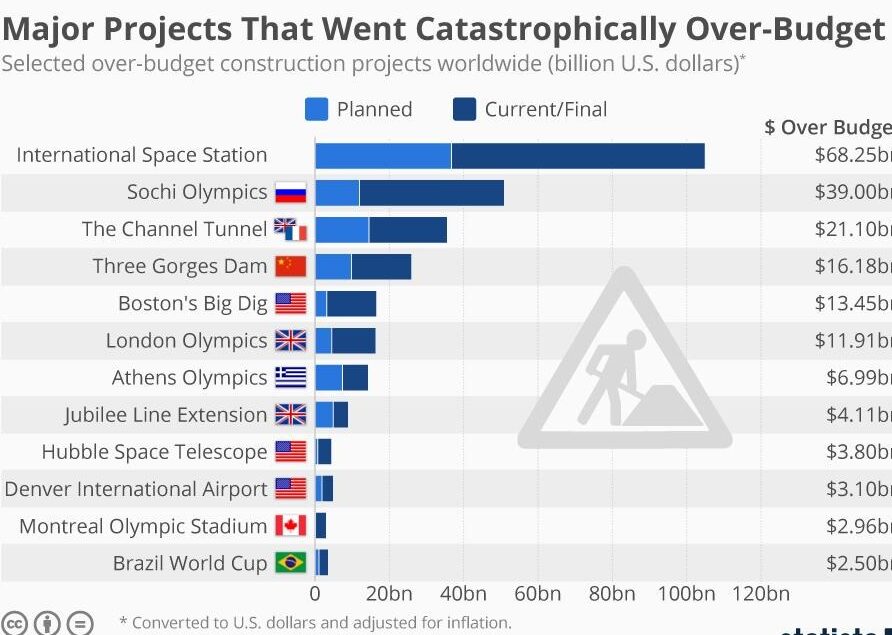
- Dodge the Big Overrun Traps: The Boston Big Dig exploded billions over budget from weak early planning. Strong preconstruction spots material shortages or permit delays early.
- Fix Issues on Paper, Not the Job Site: Early estimates flag risks before ground breaks. Solve problems fast and keep the project on budget and on schedule. This helps spot overpriced elements right away. For example, if a fancy facade pushes costs too high, you can switch to something similar but cheaper without starting over.
An Example: How Estimates Evolve Through Design Stages
Let’s use a real-world example to see how this works. Suppose you’re bidding on a mid-scaled office project in the Midwest USA. In the conceptual estimating stage, you have basic sketches. Your early estimate might say $5 million, based on square footage and similar past projects. This gives a ballpark to check feasibility.
As designs progress to the schematic stage, more details come in—like HVAC systems and electrical layouts. The estimate refines to $5.5 million, highlighting that custom windows add $200,000. Here, you can suggest alternatives to trim costs.
By the design development phase, with full plans, the estimate hits $5.3 million after adjustments. Finally, in the construction documents stage, it’s locked at $5.2 million, including bids from subs. This evolution saved $300,000 in our example by catching issues early. Without it, you might have stuck with the initial $5 million bid, only to face extras later. Real cases, like a commercial build in Tennessee, show similar savings. One team avoided a $500,000 overrun by spotting site prep needs during preconstruction.
Common Pain Points and How Preconstruction Estimating Solves Them
Another pain is change orders. These eat into profits and delay finishes. Preconstruction spotting potential changes reduces them. Some common challenges are:
- Stop Guessing on Bids: Underbid and you eat the loss; overbid and the job walks away. Data-driven early planning nails the number so you win profitably.
- Kill Change Orders Before They Start: Last-minute tweaks kill margins and push deadlines. Preconstruction flags risks upfront, keeping revisions rare and cheap.
- Shield Roofing Jobs from Surprises: Weather swings or lumber spikes blindside tight budgets. Early affordable roofing estimates bake in trends and buffers.
- Give Clients the Predictability They Crave: No one likes a mid-project price jump. Involve them in the USA cost planning to build trust and lock in repeat work. Contractors often struggle with unreliable bids. You underbid to win, then scramble when costs rise. Or you overbid and lose out to competitors. Early cost planning fixes this by using data-driven forecasts.

Key Benefits of Preconstruction Estimating
To sum up the perks, here’s a quick list:
- Crystal-Clear Money Goals: Spell out exactly what the project can afford from day one. No fuzzy targets, just hard numbers everyone can follow.
- Deadlines That Actually Stick: Tie every timeline to real cost realities. Avoid rushed promises that blow up later.
- Catch Risks Before They Bite: Spot supply chain hiccups or price jumps early. Fix them on paper, not during the build.
- Put the Client First, always: Shape every choice around what the owner needs. Deliver satisfaction that turns jobs into referrals.
- Win Bids Without Losing: Sharp, accurate numbers beat vague guesses every time. Land more work and keep the profits flowing.
Conclusion
Preconstruction estimating stands out as a game-changer for construction projects in the USA. It turns potential chaos into controlled success by forecasting costs early and aligning teams. From reducing budget overruns to winning more bids, the advantages touch every part of the build. Contractors who skip this step face delays and extra expenses that kill profits. But those who follow it see smoother operations and happier clients. Remember, up to 80% of outcomes are decided before work starts, so investing time here pays off big. Whether you’re handling commercial builds or residential jobs, early cost planning builds a strong foundation. It solves pain points like unpredictable budgets and fosters trust through transparency. In the end, it’s about smart preparation that leads to reliable results and long-term growth in a competitive field.
Ready to win more bids? Contact ALM Estimating now for expert cost planning services in the USA and get a free consultation to start controlling your next project. Get a discount of 30% on your first estimate.
FAQs
Q1. What exactly does preconstruction estimating involve?
Preconstruction estimating calculates all expected costs for a project before construction starts. It includes labor, materials, permits, and contingencies, using plans and local USA data to create a reliable budget.
Q2. How does early cost planning help win projects?
It provides accurate bids that are competitive yet profitable. Clients see you’re prepared, which builds confidence and increases your chances of getting the job over others with vague numbers.
Q3. What’s the difference between conceptual estimating and detailed estimating? Conceptual estimating uses rough ideas for early ballparks, while detailed estimating refines numbers with full designs, materials specs, and sub bids for precision.
Q4. Can preconstruction estimating prevent budget overruns?
Yes, by identifying risks early, like material price hikes or site issues, it allows adjustments before costs escalate, often saving thousands.
Q5. Why is preconstruction budgeting important for USA contractors?
USA projects face varying regulations and costs by region. Budgeting tailors plans to local factors, ensuring compliance and realistic forecasts.
Q6. How long does the preconstruction estimating process take?
It varies by project size, but typically 2-6 weeks, starting from initial concepts and evolving as designs progress.
Q7. What tools are used in cost planning services USA?
Common tools include software for data analysis, historical project data, and market trend reports to make estimates accurate and up-to-date.
Q8. Does early cost planning work for small projects too?
Absolutely, even for residential or small commercial jobs like roofing, it spots savings and avoids surprises, making it worthwhile.
Q9. How can I incorporate feasibility cost planning into my workflow?
Start by involving estimators early in design meetings, reviewing initial budgets, and updating as plans change to keep everything aligned.
Q10. What happens if I skip design-phase budgeting?
You risk inaccurate bids, leading to overruns, delays, or lost profits. Many projects fail without this step, as unseen issues pile up later.