
As a contractor, you know the pressure of putting together a tight bid on a commercial project. One small miss in the HVAC numbers can turn a winning project into a money-loser. Change orders kill your profits, affect your reputation, and tight timelines and takeoffs mean late nights you don’t have time for. Getting the estimate right isn’t just about numbers to win bids. It’s about knowing exactly what the project will cost. So, you can price it fairly, cover your crew, and still make a solid profit margin.
This guide breaks down the real pieces that go into HVAC estimating. This discussed the equipment, ductwork, labor, current pricing, and those surprise costs.
What Goes into a Complete HVAC Estimate
A good HVAC estimate covers far more than just buying a few units. Contractors who win profitable jobs account for every part of the mechanical system. It includes major equipment (rooftop units, air handlers, chillers, boilers, pumps, and cooling towers), ductwork and piping (all supply, return, and exhaust ducts, plus hydronic or refrigerant lines), Accessories (insulation, hangers, dampers, diffusers, grilles, controls, and thermostats), Labor (hours for sheet metal workers, pipefitters, controls techs, and testing crew). It also includes other costs such as permits, freight, taxes, startup, commissioning, and contingencies for surprises.
Missing any of these leads to change orders or eating costs later. Accurate takeoffs from the plans catch everything upfront.
Key Equipment and What They Cost
Equipment usually covers 40-60% of the total mechanical budget for commercial projects. Prices change on the basis of size, efficiency, and brand. But here are realistic ranges contractors see in late 2025.
Rooftop units (RTUs)
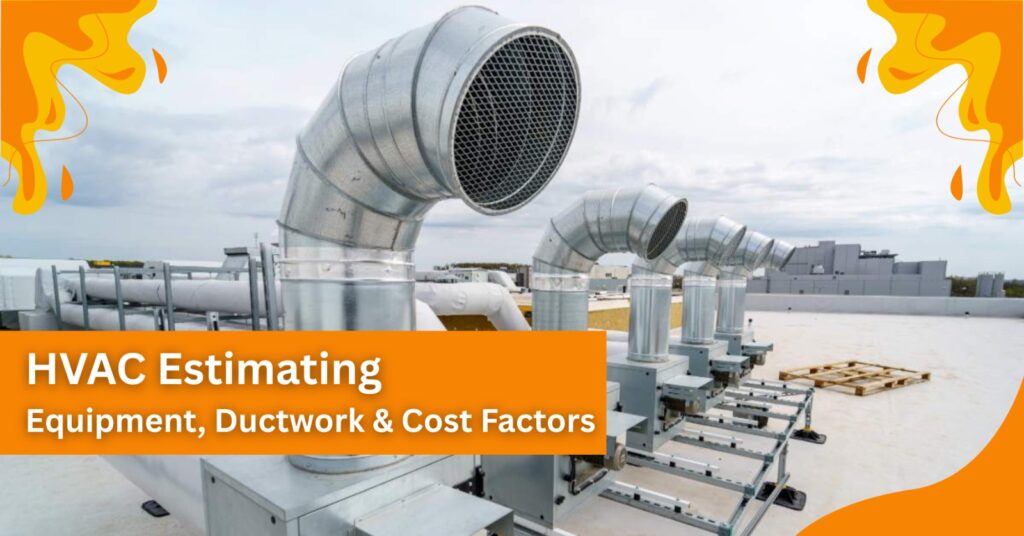
These are common for stores, offices, and schools. A 6 to 10-ton RTU costs $7,500 to $20,000 for the equipment alone. Larger 20-30 ton units can cost $25,000-$35,000 before installation.
Air handlers
It is used to move and condition air inside the building. A standard commercial air handler costs $5,000 to $15,000, depending on ton and features like variable speed fans.
VAV boxes
It controls airflow to different zones. Each box costs $800 to $2,500, and a mid-size office may need 20-50 boxes.
Chillers
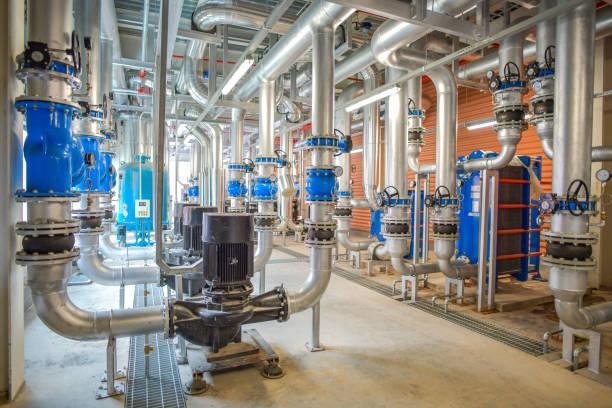
These are the big expenses in larger systems. A 200-ton water-cooled chiller costs around $100,000 and even more than this. These centralised plants also need cooling towers and pumps that add tens of thousands more to the budget.
Ductwork Estimating: The Details That Add Up Fast
Ductwork is where many estimates go wrong. Contractors who nail duct takeoffs win more bids because they price materials and labor correctly.
Galvanized sheet metal
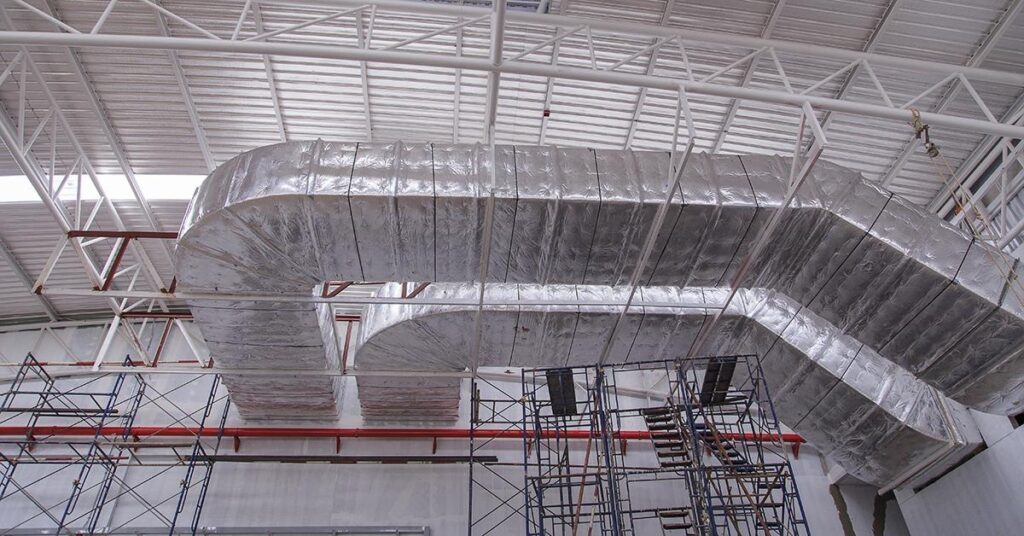
Most commercial ducts are galvanized sheet metal. Flexible ducts work for short runs, and fiberglass ductboard shows up in some applications. Insulation is required almost everywhere, typically R-6 or R-8 wraps.
Hangers and Support
Don’t forget hangers and supports. Code requires them every 8-10 feet, plus seismic bracing in some areas. Dampers, turning vanes, access doors, and flex connections all cost extra.
Duct sizing
This matters too. Proper CFM calculations prevent noise complaints or uneven temperatures. Undersized ducts mean higher use of fan energy and unhappy owners.
A mid-size office may need 2,000-4,000 pounds of sheet metal. At current prices, that’s thousands just in raw material, not counting fabrication or installation.
Labor Productivity: What Makes HVAC Different
HVAC labor is skilled and specialized. Sheet metal workers and pipefitters command good wages, often $60-90 per hour fully burdened in many markets.
Productivity varies a lot. Working in tight ceilings, at heights, or around other trades slows crews down. Material handling on multi-story jobs takes time. Weather affects rooftop work.
A typical duct installation rate might be 40-60 pounds per man-day in good conditions, but drops in tough spots. Piping is similar; experienced crews hang more feet per hour than new ones. Coordinating startups, testing, and balancing adds specialized hours that many forget to include.
Material Pricing Trends: 2025-2026
Prices are changing constantly. Through 2025, manufacturers announced increases. Some brands raised 7%, others 2-5% on commercial equipment. Accessories saw mid-single-digit hikes, with outliers up to 20-25% on certain items.
There is a high rise in the cost of steel, copper, and refrigerant. Supply chain issues are persistent, and new tariffs may add another 5-20%. Industry forecasts show a steady increase in the prices of equipment. Contractors who track these trends and lock in pricing early protect their margins.
Hidden Costs in HVAC Estimating That Can Quietly Hurt Your Profits
Every contractor knows that sinking feeling. When a project looked great on paper, but ended with budget overruns. More often than not, it’s the little things you didn’t see coming, the small costs that quietly pile up. In mechanical estimating, those hidden expenses can turn a solid bid into a margin-killer. Seasoned estimators learn to spot them early and account for them upfront. Let’s take a closer look at the most common ones.
Freight and Rigging Expenses
Moving heavy rooftop units, chillers, or air handlers to the site isn’t cheap. Cranes, special trucks, and rigging crews can run thousands on larger jobs. Forgetting this line item means eating the cost yourself when the equipment shows up.
Permit and Taxes
Local building departments make it necessary to obtain permits for mechanical and other inspections. Sales tax on materials varies by state but often hits 6-10%. These are easy to overlook during bidding, but they add on to your budget later.
Testing, Adjusting, and Balancing (TAB)
Most specs require a certified TAB report to verify airflow and temperatures. Hiring a specialist for this final step protects your payment but costs real money. Skipping it in the estimate leads to last-minute surprises.
Controls and Commissioning Costs
Modern systems have updated programming for thermostats, sensors, and building automation. Commissioning ensures that everything works together and includes owner training sessions. These skilled hours add up and are separate from basic installation.
Contingencies and Callback Risks
Field changes, access problems, or small plan errors happen on every job. A 5-10% contingency must be added for the unknowns. Missing items upfront also raises warranty callback chances, eating profits long after closeout.
The fix is simple: track them on every bid and include realistic allowances. Contractors who do this protect their margins and sleep better at night.

Why Busy Contractors Choose to Outsource HVAC Takeoffs
Running a growing contracting business keeps you pulled in every direction, like crew schedules, client updates, supplier issues, and site walkthroughs. These all demand your attention. Many contractors turn to outsourced takeoff services to get accurate numbers without sacrificing their time.
Reclaim Your Time for What Matters Most
You built your company to win projects and deliver great work, not to get buried in spreadsheets and plan sheets. Outsourcing the tedious counting and pricing frees you up for jobsite visits, building client relationships, and managing your crews effectively.
Eliminate Expensive Errors from Rushed Estimates
When you’re juggling multiple bids, it’s easy to overlook a section of ductwork, forget insulation quantities, or miss hanger supports. Those small mistakes lead to material shortages, change orders, or lost profits once the job starts.
Bid More Jobs Without Adding Staff or Overhead
Seasonal ups and downs make it tough to justify a full-time estimator on payroll year-round. Outsourcing lets you handle peak bidding seasons with expert help while keeping costs variable. You only pay for the projects you send.
Get Faster, More Competitive Bids to the Owner First
Specialized services typically turn around detailed breakdowns in just a few days, complete with labor hours and accessory counts. That speed means you can review more bid invitations and submit polished proposals before your competitors.
Conclusion
Accurate HVAC estimating is the thing that makes profitable contractors stand out from those just making estimates. Understanding the equipment costs, ductwork details, pricing trends, and hidden expenses lets you make competitive bids. It leads to winning faster. In a competitive market with rising costs, getting the numbers right isn’t optional. It’s how you stay in business year after year. Many contractors outsourced HVAC estimations with experienced takeoff specialists. It gives them the edge they need without adding staff or hours.
Stop Guessing and Start Winning. Schedule Your Takeoff Service with ALM estimating experts. Don’t risk another low-margin job because of rushed estimates. Claim a 30% discount on your first estimate.
FAQs
Q1. What exactly is HVAC estimating?
HVAC estimating is figuring out the full cost to install heating, cooling, and ventilation systems. It includes materials, equipment, labor, and overhead to create a bid price.
Q2. How do you size ducts properly?
Duct sizing uses CFM calculations based on room loads, friction rates, and velocity limits. Software or manual methods from ACCA manuals ensure quiet, efficient airflow.
Q3. Why do rooftop units cost more than split systems?
Rooftop units package everything in one weatherproof cabinet, saving indoor space but requiring cranes for installation and stronger roofs.
Q4. What affects HVAC labor hours the most?
Site access, working height, coordination with other trades, crew experience, and weather conditions all impact how fast work gets done.
Q5. Are material prices going up or down in 2026?
Most forecasts show continued increases driven by metal costs, supply issues, and possible tariffs, adding pressure.
Q6. What are VAV boxes and why do they matter?
Variable air volume boxes control airflow to zones, allowing different temperatures in offices or classrooms while saving energy.
Q7. How much should I add for contingencies?
Many contractors use 5-10% for known risks and another 5% for unknowns, depending on plan completeness and site conditions.
Q8. What’s the difference between air handlers and rooftop units?
Air handlers are indoor units that move air, while rooftop units include both heating/cooling coils and fans in one outdoor package.
Q9. Do I need to include testing and balancing in my bid?
Yes, most specifications require certified TAB reports, and owners expect proper airflow verification before final payment.
Q10. How can I make my HVAC bids more competitive?
Focus on accurate takeoffs, track current pricing, understand labor productivity for your crews, and consider value engineering options that maintain quality.