
In construction, accurate estimating develops trust and keeps projects on track. When owners supply some materials themselves or include allowances in the contract, things get tricky. These choices, owner-furnished materials, allowances, and clear scope exclusions can save money or create big headaches if not handled right.
This guide explains how to estimate these items properly in estimating owner provided materials construction projects. You’ll understand the main challenges, risks, key documents, and ways to protect your company from disputes. No matter, you are a general contractor, subcontractor, or estimator, these steps let you bid smarter and finish stronger.
Understanding Owner-Provided Materials
Owner-provided materials, also called owner-furnished equipment (OFE) or owner supplied items are products the owner buys directly instead of the contractor. These are included in the bid price. The contractor’s job is usually just to install them. Owners want specific brands or styles. They can get better prices through their own suppliers or bulk deals. Long-lead items (like special HVAC units) arrive faster if the owner orders early.
In your estimate for owner furnished equipment pricing, include only labor to install, any tools or equipment needed, overhead and profit on that labor and possible extra costs like unloading or storage. Do not include the purchase price of the items that stay with the owner.
Coordination becomes harder. If materials arrive late or damaged, the schedule suffers, and fingers point. Always list these items clearly in your bid so everyone knows who’s responsible.
Pricing challenges with allowances
Allowances in construction estimating are set dollar amounts built into the contract for items not fully decided yet. They act like placeholders until the owner picks exact finishes or products.
Types of allowances:
- Material allowances: Cover just the product cost (e.g., $12 per sq ft for carpet).
- Installed allowances: Include material plus labor (less common but useful for complex items).
For example, a bathroom remodel might have a $4,500 allowance for vanity and sink. The owner chooses later. If the actual cost is $5,200, the owner pays the extra $700 via change order. If it’s $3,800, they get a $700 credit.
Challenges estimators face with allowance pricing risk:
- Prices change fast (especially in 2026 with material volatility from supply issues and policy shifts).
- Owners pick higher-end items than the allowance covers, leading to surprise bills.
- Underestimating the allowance makes your bid look low but creates disputes later.
- Overestimating hurts your competitiveness.
The Hidden Risk: Scope Gaps and Exclusions
Scope exclusions tell everyone what you do not pay for or do. When the owner gives materials or uses allowances, tiny mistakes can become very big problems fast.
Here are the main risks for contractors:
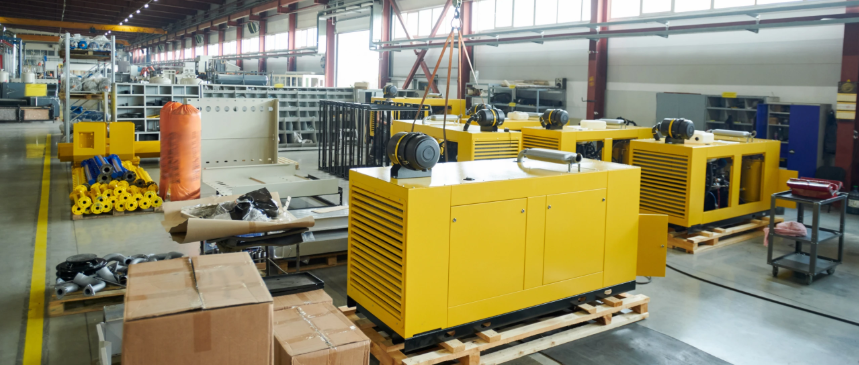
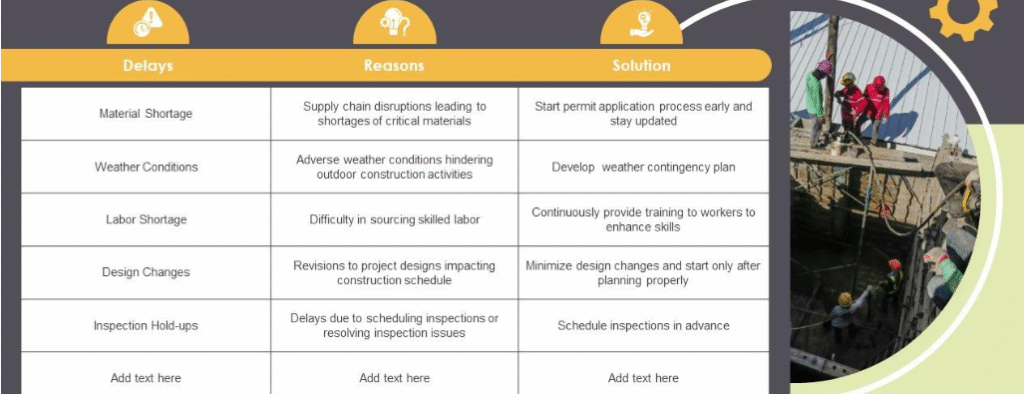
- Late delivery of owner-supplied items
Late items stop whole teams from working. For example, framing and drywall crews wait for cabinets or appliances. This makes the whole job late and raises labor and overhead costs.
2. Damaged, defective, or incorrect materials
The owner sends wrong or broken items to the site. Someone has to take them away, get new ones, and redo the work. Without clear words in the contract, the contractor pays for the extra time and fixes.
3. Extra handling and logistics
Heavy or early items need unloading, safe storage, and protection from weather. These jobs take extra time, workers, and sometimes special tools not in your bid. If you do not talk about them first, you pay costs you did not plan for.
4. Warranty and defect responsibility
Owner items can break after you install them. Owners may ask you to fix or replace them for free. Without strong contract words, you get stuck with expensive repair calls.
These problems often cause claims, arguments over extra money, or upset clients. One late appliance can hold up electrical work and finish for many weeks.
Essential Documentation Every Estimator Should Prepare
Good paperwork stops most arguments before they start. Strong documents make your bid clear and protect you later. Put these items in every bid package.
Here is what every estimator should include:
- Itemized allowance list
Make a clear list of each allowance. Write what the item is, the dollar amount, and what it pays for. Example: “$9,500 for tile, covers material cost only.”
2. Scope inclusions and exclusions
Write exactly what your price covers and what it does not. Be very clear about owner-furnished items. List them so no one gets confused later.
3. Responsibility breakdown
Show who does each job. Who buys the materials? Who delivers them? Who installs them? Who handles the warranty? A simple chart or list makes this easy to see.
4. Adjustment rules
Explain how extra costs or changes work. Tell how change orders happen if allowances go over or under. Also cover extra time or money if owner items are late.
5. Coordination notes
Write down expected delivery dates or windows. Say what happens if items arrive late or not at all. This helps plan the job and avoids surprises.
How Contractors Can Protect Themselves from Disputes
Disputes can hurt feelings, slow jobs, and take away profits. You can stop most problems with smart steps right from the start. Here are simple ways to keep your business safe.
Here is what good contractors do:
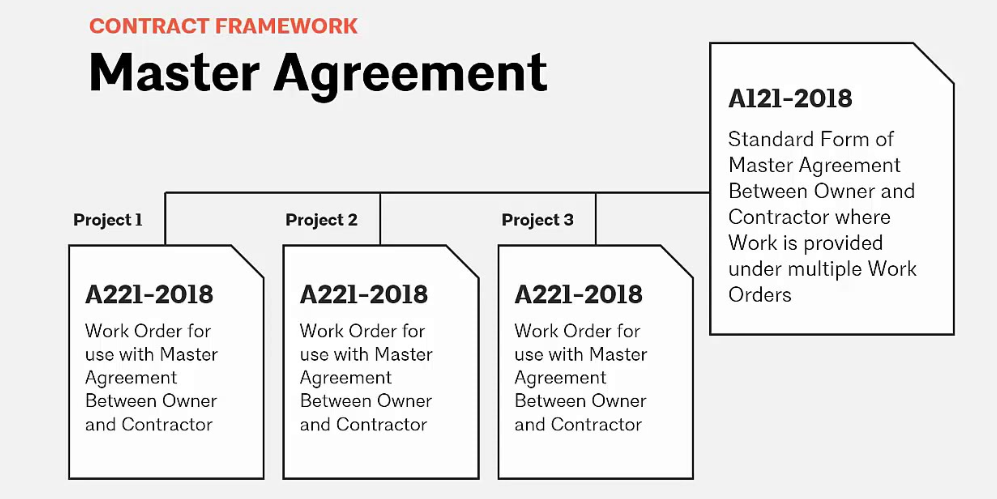
- Use standard contract forms like AIA documents
AIA forms (like A101 and A201) have clear rules about allowances and owner-furnished items. They use words that everyone understands and that hold up in court. This makes your contract fair and strong for both you and the owner.
2. Require written owner approvals for selections
Wait for the owner to sign in writing before you buy or start work. Get approval for all choices like materials or finishes. A written note stops fights about what the owner really wanted.
3. Build in realistic contingencies for delays or extra handling
Add a bit of extra time and money in your bid for owner delays. This covers things like late items or extra work you did not expect. It helps keep your profit safe when surprises happen.
4. Communicate often with the owner
Send short updates about how owner items change the schedule. Use email or quick calls to share news as soon as possible. Good and frequent talks keep trust strong and everyone happy.
5. Document everything you can
Save all emails, photos of deliveries, and notes from every meeting. Take pictures if items arrive late, damaged, or wrong. Good records give you clear proof if any question comes up later.
6. Add clauses for extra costs from productivity drops
Put special words in the contract about added costs if owner materials slow your team. Experts say this can make labor take up to 6% longer. Clear rules let you ask for fair extra pay when work gets harder.
Conclusion
Estimating owner provided materials construction projects takes extra care. Owner-furnished items save owners money but shift risks like delays. Allowances in construction estimating offer flexibility for undecided selections, yet poor setup leads to cost shocks. Scope exclusions and solid documentation close the gaps. By explaining everything clearly, realistic numbers, and your interests in the contract, you create fair bids that win work. Clients appreciate honesty, and you’ll avoid costly surprises.
Stop guessing on allowances and owner-furnished items. Let us look at your bid for free and find any weak spots. No cost, no pressure, just better protection for you. Get a discount of 30% on your first estimate. Call us now!
FAQs:
- What does “owner-provided materials” or “owner-furnished items” mean?
These are materials or equipment the owner buys directly, not the contractor. The contractor only installs them. Examples include appliances, lighting fixtures, or special HVAC units. This can save the owner money but adds risks like late delivery or damage.
2. Who pays for what when the owner provides materials?
The owner pays to buy the items. The contractor prices only the labor to install them, plus any tools or handling. The contract must say who handles unloading, storage, delivery delays, or fixes if items arrive broken.
3. What is an allowance in a construction estimate?
An allowance is a set dollar amount in the contract for items not chosen yet. It acts like a placeholder until the owner picks the exact product. Common examples: $10,000 for kitchen cabinets or $8 per square foot for flooring.
4. What happens if the real cost is more or less than the allowance?
If the cost is higher, the owner pays the extra (usually by change order). If lower, the owner gets a credit or saves the difference. This keeps the bid fair but needs clear rules in the contract.
5. Should allowances cover materials only or labor too?
Most experts say limit allowances to materials only. Labor, installation, overhead, and profit should stay in the base bid price. This avoids big fights when fancy materials take longer to install.
6. What are scope exclusions and why do they matter?
Scope exclusions list what is NOT in your price or job. They cover owner-furnished items, late deliveries, or extra handling. Clear exclusions stop arguments about who pays for surprises.
7. What risks come with owner-provided materials?
Big risks include late arrivals (delays the whole job), damaged items (rework costs), extra storage needs, and warranty fights. Late items can push other trades back weeks and raise labor costs up to 6% or more.
8. How can contractors protect themselves from disputes?
Use clear contracts like AIA forms. Require written owner approvals for choices. Document everything: emails, photos, delivery notes. Add rules for extra time or money if owner items cause delays.
9. Should I add markup to allowances?
Yes, many contractors add markup for overhead and profit on the allowance amount. But make it clear in the bid so the owner knows. Some keep markup only on labor, not the allowance itself.
10. When should I avoid using allowances?
Avoid them for big unknown areas like full landscaping or whole systems. Use them only for specific items like finishes or fixtures. Better to get selections early or use contingencies for true unknowns.