
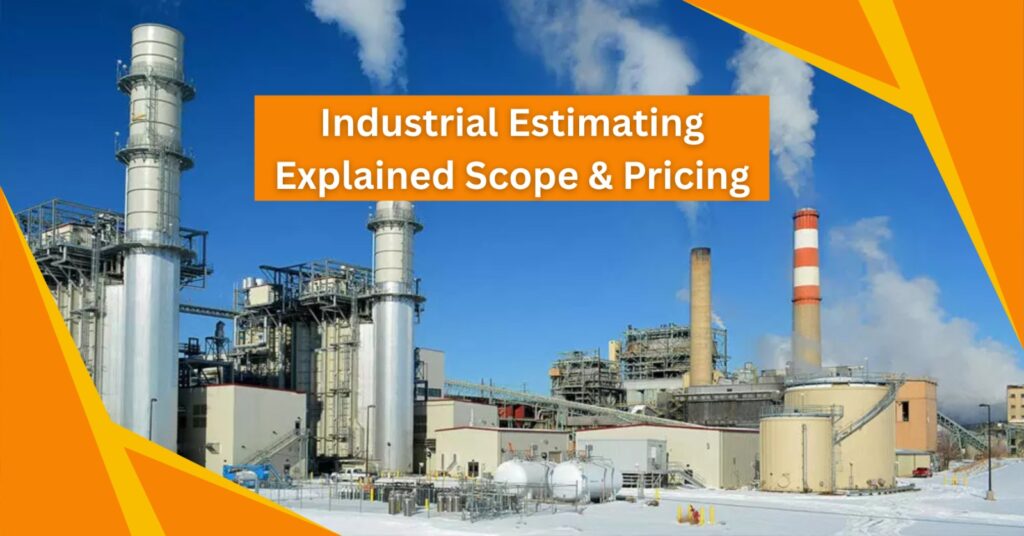
Contractors know that every construction job has its own problems. Industrial projects are even harder. Think about building a factory or a big warehouse. These projects use heavy machines, complex systems and must follow strict rules. All of this can quickly increase costs and hurt your budget.
We will explain industrial estimating in simple terms. We’ll look at what causes costs to go up and why mistakes often happen. If you work on large projects, understanding these points can help you avoid problems and make better profits.
What Makes Industrial Estimating Unique
Industrial estimating is different because the projects are much bigger and more complex. Residential jobs usually involve houses with simple layouts. Commercial projects, like stores or offices, may include basic plumbing and electrical work. Industrial projects go far beyond that.
These jobs often use heavy steel, large machines, and complex piping systems. Everything must be measured very carefully. For example, a factory may need huge machines that weigh several tons. These machines need special foundations to support their weight. Chemical plants and oil facilities require piping that can handle high pressure, heat, and corrosion. Warehouses and plants also need strong steel frames to support wide roof spans.
The biggest difference is in the details. Residential estimating looks at room sizes and basic fixtures. Commercial projects may include elevators or fire safety systems. Industrial estimating goes much further. It includes strong foundations that can handle machine movement and MEP systems that connect to large equipment. Because of this, industrial estimating takes more time and effort. Many contractors use special software or hire experts to make sure everything is correct.
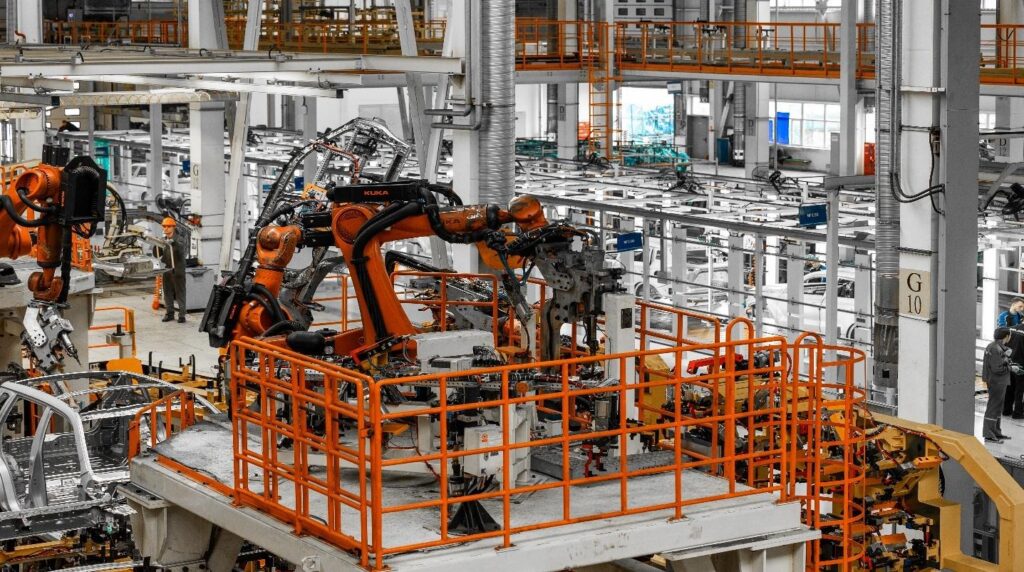
Take a manufacturing plant as an example. You are not just building walls. You are designing a space where machines and assembly lines must work smoothly. Estimators must consider airflow, power needs for equipment, and even noise control. Industrial projects require a much higher level of accuracy than simpler builds.
Typical Cost Drivers in Industrial Projects
Costs in industrial construction can add up fast, and knowing the main drivers helps you plan better. Labor is often the biggest chunk, making up 30-40% of the total. Skilled workers like welders for steel or pipefitters are in high demand, and their rates reflect that. In heavy industrial trades, overtime or shift work bumps this even higher.
1. Materials
It follows close behind, at about 40-50% of the budget. Structural steel for industrial buildings can cost thousands per ton, especially with rising prices from supply chain issues. Piping materials, like stainless steel for corrosive environments, add to the tab.
2. Installation
Equipment installation costs are another driver. Cranes to lift heavy parts or specialized tools for setup can run into six figures.

3. Site preparation
It covers 10-20%. Clearing land for a warehouse may involve grading for heavy loads or installing deep foundations. Geography matters too. Building in remote areas means higher transport fees for materials.
4. Permits and regulations
It is a major cost factor with safety standards stricter in industrial zones. Think of environmental reviews or OSHA compliance. Skipping these leads to fines.
5. Tight timelines
It means more crews, pushing labor costs. Material delays, common in global supply chains, can force expensive rush orders. For a large warehouse construction cost, expect $85 to $139 per square foot on average, depending on size.
Why Errors in Industrial Estimating Are More Expensive
Mistakes in estimating affect industrial projects harder than others. Because the stakes are high. A small error in a home build may mean ordering extra paint can be annoying. But cheap to fix. In industrial work, though, it can turn into massive budget overruns. Why?
1. Scale
Scale is one reason. These projects run into millions or billions. If you underestimate material needs by 5%, that’s a huge dollar amount. For instance, miscalculating piping lengths in an industrial takeoff means reordering custom parts, delaying the job by weeks, and adding labor costs for idle crews.
2. Complexity
It increases the risk. Overlooking foundation loads for heavy equipment may require retrofits, costing tens of thousands. Inaccurate labor estimates lead to shortages, forcing pricey subcontractors. Data shows that construction errors overall cause 10-15% overruns. But in industry, it’s often more due to specialized work.
3. Competitive Bids
Client relationships suffer, too. Bids that underprice to win jobs end up with change orders, affecting trust. Overpricing loses the contract altogether. Studies from construction firms reveal that poor estimates drop win rates and profits. In heavy industry, where safety is key, errors can even trigger shutdowns or legal issues. Bottom line: Precision pays off, saving money and headaches.
Common Oversight Areas in Industrial Estimating
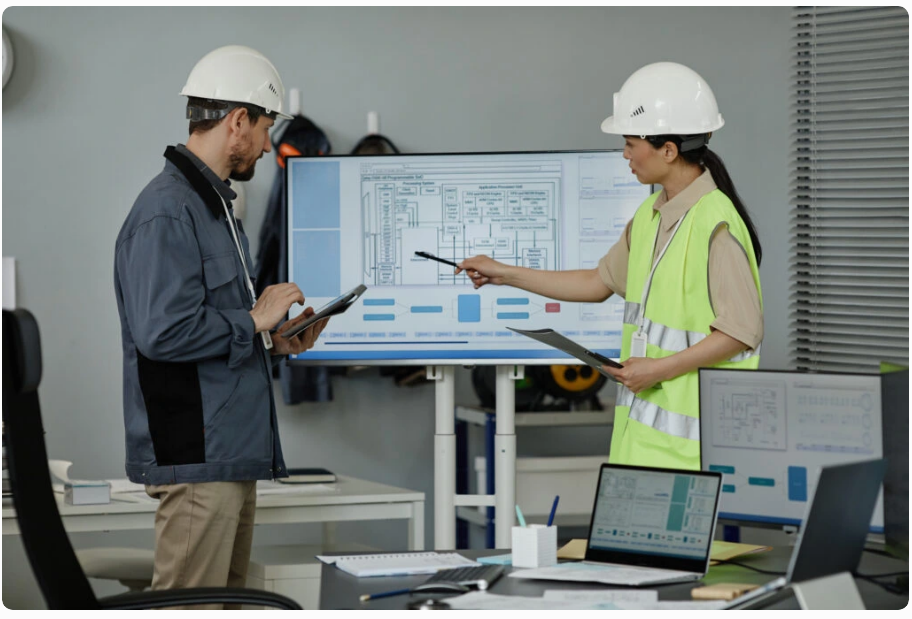
Even experienced contractors slip up in certain spots during industrial estimating. Foundation loads are a big one. Heavy machinery needs stable bases, but estimators sometimes forget to factor in soil tests or vibration impacts. It leads to a costly budget later.
MEP complexity gets overlooked, too. Industrial piping estimates require detailed routing for efficiency, but rushing this can miss fittings or insulation needs.
Safety requirements are another trap. Things like guardrails, fire suppression, or hazmat handling add costs that aren’t always budgeted.
Labor misjudgments happen when you ignore site conditions, like access limits that slow work.
Material fluctuations, such as steel price swings, aren’t always updated in bids. Scope changes mid-project, without buffers, blow budgets.
In equipment installation cost, forgetting setup logistics like crane rentals or permits adds surprises. For structural steel, inaccurate takeoffs miss connections or coatings.
Warehouse construction cost often skips storage for phased deliveries. Spotting these early through double-checks or software keeps projects on track.
Why Outsourcing Industrial Estimating Ensures Accuracy and Consistency
Handling estimates in-house works for small jobs, but for big industrial projects, bringing in experts makes sense.
1. Expert Knowledge
Outsourcing taps into specialized knowledge without the full-time cost. These pros use advanced tools for detailed takeoffs, catching details your team might miss.
2. Accuracy
It improves because outsiders focus solely on estimating, staying current on material prices, and coding. This cuts errors that lead to overruns.
3. Consistency
It is an important factor. Every bid follows the same method, making comparisons easier and bids more competitive.
4. Time savings
Outsourcing lets your crew focus on the build, not spreadsheets. Scalability helps too. Cost-wise, it’s often cheaper than maintaining an internal team, with some firms reporting 30% savings.
How Outsourcing Supports Large-Scale Industrial Contractors
For those tackling massive projects, outsourcing handles the nitty-gritty like industrial cost estimates for equipment or steel. It frees you to manage on-site teams better. Plus, with fresh eyes, they spot efficiencies you might not see.
In warehouse construction, accurate takeoffs ensure budgets cover everything from foundations to roofing. For manufacturing, they model costs for custom setups. This approach turns potential pitfalls into smooth operations.
Conclusion
Industrial estimating needs close attention to details that are not common in residential or commercial projects. It includes heavy steel, large pipes, and special equipment. Labor and material costs can also be very high, so accurate estimates are important to stay profitable. Mistakes often happen in foundations, MEP systems, and safety planning. These problems can be avoided with careful planning and proper checks. Many contractors choose to outsource estimating work. This brings in experts who improve accuracy, save time, and help reduce costs. For busy contractors, outsourcing can be a smart and practical choice.
Don’t let cost overruns kill your profits; sign up for ALM industrial estimating services now. ALM estimating where you meet the experts. Get 30% off your first takeoff offer ends this month!
FAQs:
Q1. What is industrial estimating?
Industrial estimating involves calculating costs for large-scale projects like factories or warehouses. It covers materials, labor, equipment, and more, focusing on complex systems to create a reliable budget.
Q2. How does industrial estimating differ from commercial?
Industrial focuses on heavy equipment, piping, and steel, while commercial deals with offices or stores that have simpler layouts and fewer specialized trades. Industries often have stricter safety rules, too.
Q3. What are the key cost drivers in industrial projects?
Main ones include labor for skilled workers, materials like steel and pipes, site prep for foundations, and equipment setup. Regulations and timelines also push costs up.
Q4. Why are errors more costly in industrial estimating?
Because projects are huge, small mistakes lead to big overruns, delays, or fixes. For example, wrong piping measurements can halt work and add thousands in extras.
Q5. What common oversights happen in industrial takeoffs?
Things like ignoring foundation loads, underestimating MEP complexity, or forgetting safety gear. Material price changes or site access issues are frequent, too.
Q6. How can outsourcing improve industrial cost estimates?
It brings expert accuracy, saves time for your team, and ensures consistent bids. Many see lower costs and better win rates without hiring full-time staff.
Q7. What role does equipment play in industrial estimating?
Equipment installation costs cover cranes, setup, and foundations. It’s unique because machines are heavy and need precise planning to avoid vibration or load issues.
Q8. How do you estimate for warehouse construction?
Start with square footage, then add steel framing, roofing, and storage systems. Factor in site prep and permits for an accurate total, often $85-139 per square foot.
Q9. What are LSI keywords in industrial estimating?
They include terms like manufacturing facility estimating or heavy industrial trades. Using them helps describe projects fully for better search visibility.
Q10. Why choose professional services for industrial piping estimates?
Pros handle details like material types and routing, reducing errors. This ensures budgets match real needs, avoiding costly changes mid-project.