
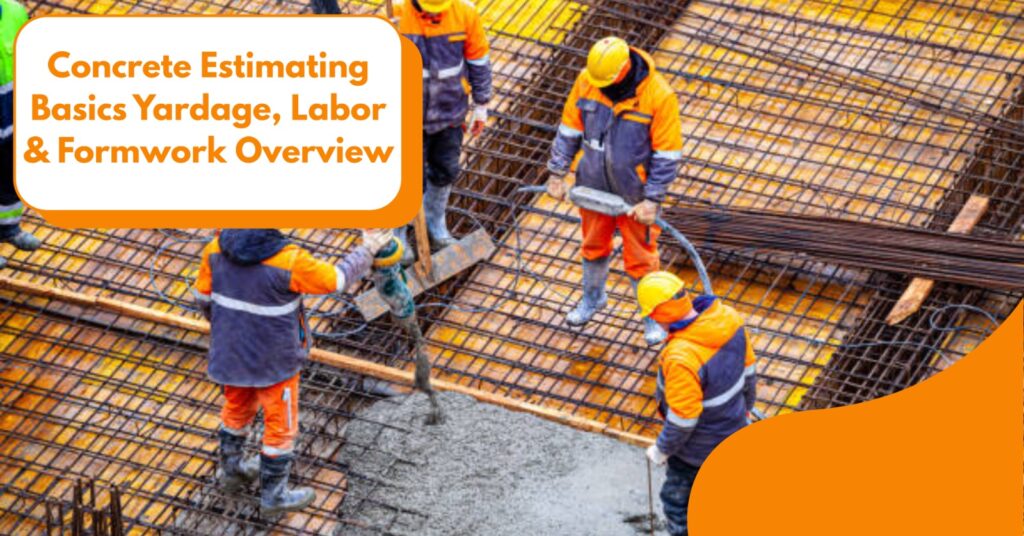
One small slip in a concrete estimate can affect your whole project. Suddenly, your profit is becoming narrow, or you’re making calculations to cover costs you didn’t see coming. It only gets worse as jobs get bigger and more complicated. That’s why getting your concrete numbers right from the start really matters. A solid estimate helps you price jobs with confidence, land more work, and keep things running smoothly once the pour starts.
We’ll discuss the basics and how to figure yardage for slabs and foundations, and what to watch out for before they do. Let’s break it into simple steps and make your next concrete takeoff accurate and win bids.
How to Calculate Concrete Volume for Slabs, Footings, and Foundations
Getting the volume right is the foundation of any accurate concrete estimate. Get this wrong, and you’re either stuck with extra material you paid for and don’t need, or you’re short on concrete and losing time waiting for another delivery. The trick is to break the numbers down based on your project.
Start with slabs
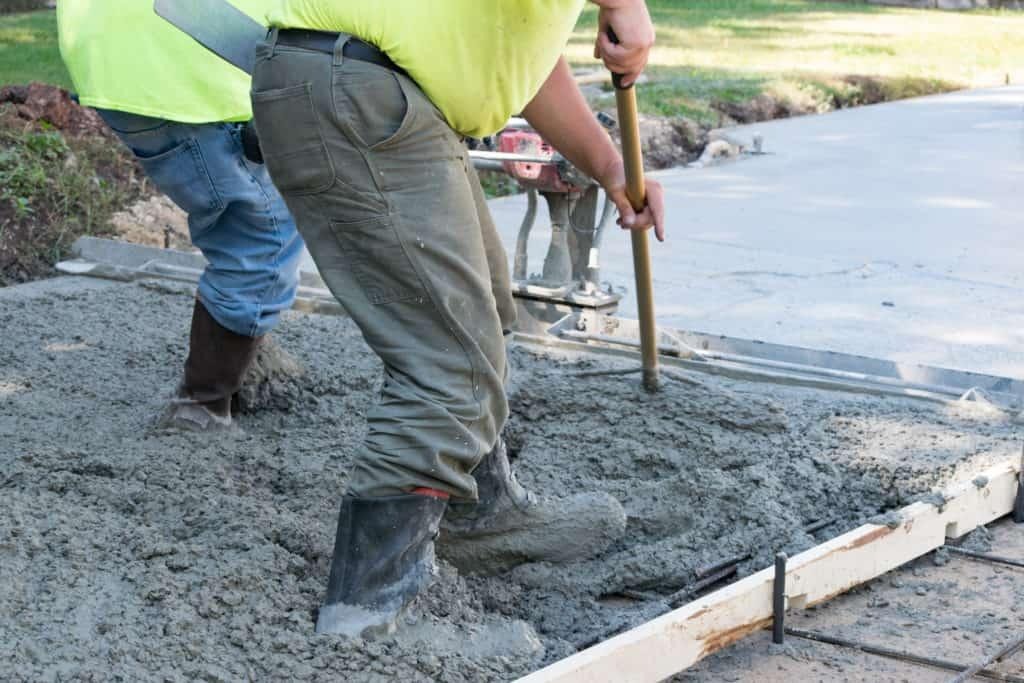
Measure the length and width in feet. Then multiply it by the thickness in feet. For instance, a 20 by 30 foot garage floor with a thickness of 4 inches (that’s 1/3 foot) will give you 20 x 30 x 0.333 = about 200 cubic feet. To get it in yards, divide it by 27, roughly 7.4 cubic yards. Always add a waste factor of 5-10% for the surprised cost. Contractors must not overlook varying slab thickness in sloped areas such as driveways.
Footings and foundations
It’s similar but with more dimensions. Footings are the trenches that carry the load of the walls. So, the right size is important. For measuring them, you need the length, width, and depth. It can be 100 feet footing that is 2 feet wide and 1foot deep for a house foundation. You then multiply 100 × 2 × 1, that is 200 cubic feet, roughly 7.4 cubic yards. Foundations include walls; therefore, add height into the mix. Using tools like blueprints or site measurements prevents guesses.
Step-By-Step Guide to Pouring a Perfect Concrete Slab
Material Components
Materials usually cover a big percentage of your concrete estimate. So, it is essential to make an accurate calculation. That means, besides concrete, you also need to account for materials like rebar or wire mesh, along with the forms that hold everything in place.
Concrete strength matters too. It’s measured in PSI, and different jobs call for different mixes. A driveway may be fine with 3,000 PSI, while foundations and structural work often need 4,000 PSI or higher. Always plan for some waste; adding around 10% extra concrete will later cover overpours, spillage, or rejected loads, so you’re not short on budget.
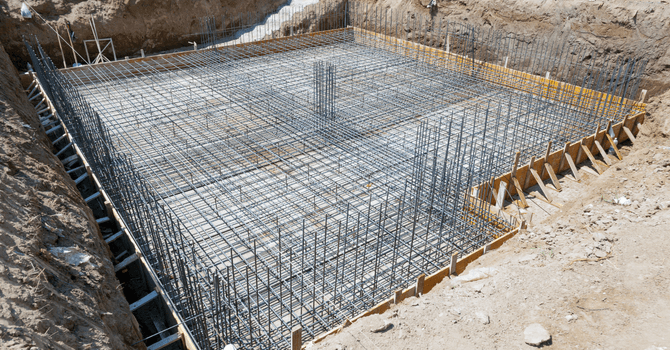
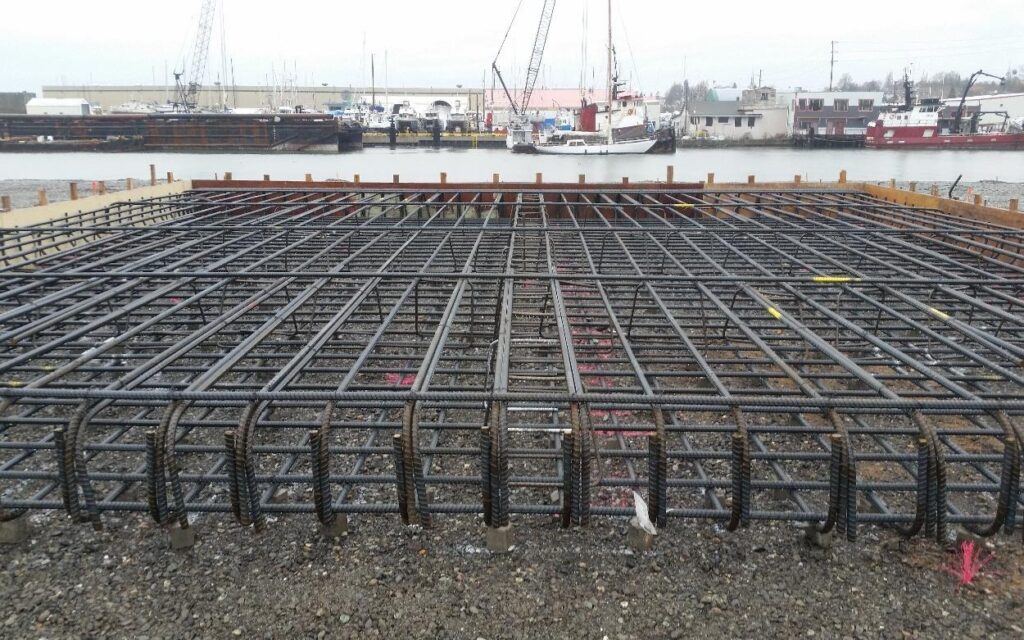
Rebar detailing is crucial for strength. It’s steel bars placed inside the pour to prevent cracking. Calculate based on spacing: for a slab, you might need 4 rebar for every 12 inches. Mesh is a cheaper alternative for lighter loads like sidewalks. Costs fluctuate in 2026, expect rebar around $0.50-$0.80 per pound.
Formwork estimating
It focuses on the moulds that hold wet concrete. Wooden forms are common for one-time use, but reusable aluminium saves on big projects. Measure the surface area in contact with concrete, called square feet of contact area (SFCA). For a wall, its height times length times two (both sides). Add in accessories like ties and braces. Skipping these details leads to weak structures or extra trips to the supplier.
2026 Concrete Cost Trends and Material Price Volatility
Keeping concrete estimating costs in check isn’t easy when prices keep shifting. Looking at 2026, concrete prices are inching up constantly. This is mostly due to supply chain slowdowns and ongoing global trade issues. Cement prices rose to around $96 per metric ton in the second quarter, which is more than last year. It is due to strong demand from housing and infrastructure projects. All told, most contractors are seeing concrete costs rise, about 1–2%, largely because cement and aggregate prices continue to rise higher and higher.
Material price volatility is a real pain point for contractors. Things like tariffs on imported cement could keep prices unsteady, especially for ready-mix suppliers. In places like Nashville, volatility adds to project pressures. To handle this, lock in prices early or build buffers into your bids. For large pours, this uncertainty makes “accurate concrete estimates for contractors handling volatile markets” a hot topic, planning keeps you competitive.
The Difference Between Formwork and Foundation
Formwork and foundations are often used together, but they serve very different purposes. Confusing the two can lead to costly mistakes on the project.
Crew size
It depends on the job. A small slab might need 4-6 workers: pourers, finishers, and a supervisor. For foundations, add rebar installers. Labor crew rates average $30-$50 per hour per worker in 2025, varying by region.
Production rates
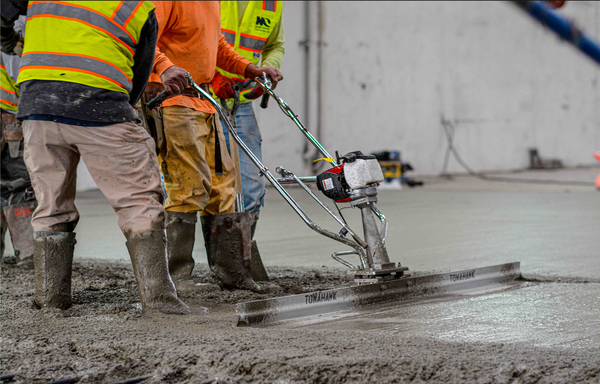
It measures output, like cubic yards per hour. A good crew pours 10-20 yards per hour on flat slabs, but slopes or tight spaces slow it down. Finishing, smoothing the surface takes extra time; power trowels help, but hand-finishing edges adds hours.
Challenges here include weather delays or unskilled crews, leading to rework. Persuading your team to train up pays off, but for rushed bids, these factors turn small jobs into money pits.
Common Errors in Concrete Estimates
Even experienced contractors can miss things. Concrete estimating has a lot of moving parts, and small oversights can turn into expensive problems if they’re not caught early.
Using the Wrong PSI
Specifying the wrong concrete strength is a big one. Too low, and the structure may not hold up long-term. Fixing that later usually means tear-outs, delays, and added costs no one wants.
Incorrect Slope Calculations
Poor slope planning can lead to water pooling on slabs. Over time, that standing water can cause surface damage and shorten the life of the concrete.
Forgetting the Waste Factor
Skipping the waste allowance often leads to short orders. That means last-minute concrete runs, higher delivery costs, and schedule setbacks.
Inaccurate Takeoffs
Bad or incomplete plans can throw off your takeoff. Missing details or misreading drawings leads to underestimating materials and labor.
Labor Costs That Don’t Match Reality
Using flat or outdated labor rates can hurt your numbers. Crew efficiency, job size, and finishing requirements all affect labor time and cost.
Ignoring Site Conditions
Soil type, access issues, and site layout all impact production. Not visiting the site can mean missing obstacles that slow crews down or require extra work.
Overlooking Market Changes
Material prices don’t stay still. Ignoring the current market conditions or keeping old prices can kill your profits.
You must double-check your calculations. Always review your plans carefully. Use estimating software for accurate takeoffs. Moreover, build in contingency buffers for waste, labor, and price changes.
Why Outsourcing Concrete Estimating Improves Speed and Bid Accuracy
Handling estimates for residential projects, need small gigs, but large-scale projects demand precision within a deadline. Outsourcing to experts frees you to focus on the build while they deal with numbers.
More Time Back in Your Day
Outsourcing concrete estimating will provide you with the time you can concentrate on the build. Experienced estimators handle the numbers. This means less time in plans and more time for managing crews, schedules, and clients.
Faster Turnaround, More Bids
Professional estimators work quickly. With faster estimates, you can submit more bids without rushing. It increases your chances of winning more bids.
Better Accuracy with Fewer Surprises
Specialized tools and experience help outsourced estimators catch details that are easy to miss. It leads to a fixed budget, prevents mistakes, and less the risk of budget overruns.
Cost-Effective for Growing Contractors
Instead of hiring a full-time estimator, you pay only when you need help. It’s a flexible and practical tool that keeps estimating costs under control while improving bid quality.
Conclusion:
Concrete estimating isn’t just math. It’s about smart planning that keeps your projects profitable and on time. From calculating yardage for slabs and footings to navigating 2025’s price swings, every step counts. Remember the materials like rebar and formwork, plus labor tweaks for crew efficiency. Sidestep those common errors, and you’ll bid with confidence. Outsourcing stands out as a practical move for bigger jobs, offering speed and precision without the hassle. In the end, strong estimates build trust with clients and secure your business’s future. Take these tips, apply them to your next concrete cost estimate, and watch how they ease the daily grind of contracting.
Don’t let inaccurate bids cost you another project. Get a professional concrete estimate today from ALM Estimating. The ALM experts ensure you win more jobs before the year ends! Contact us now.
FAQs:
Q1. What is concrete estimating?
Concrete estimating involves figuring out the total cost for a pour, including materials, labor, and other factors. It helps contractors bid accurately by calculating yardage, mix needs, and potential waste to avoid overruns.
Q2. How do I calculate concrete yardage for a slab?
Measure length times width times thickness in feet, divide by 27 for cubic yards. Add 5-10% for waste. For example, a 10x10x0.33-foot slab is about 1.22 yards before extras.
Q3. What factors affect concrete cost in 2025?
Prices rise due to cement at $96/ton, aggregate shortages, and trade issues. Expect 1-2% increases, so monitor volatility and lock in supplier deals early.
Q4. Why is rebar detailing important in estimates?
Rebar strengthens concrete against cracks. Detail spacing and size based on load, skipping this leads to weak structures and costly repairs down the line.
Q5. What are common errors in formwork estimating?
Underestimating surface area or forgetting ties and braces. Always calculate SFCA precisely to ensure forms hold up without extra material buys.
Q6. How do labor crew rates impact a concrete bid?
Rates of $30-$50/hour per worker add up fast. Factor in crew size and production rates like 10 yards/hour to match the job’s scale and avoid overtime surprises.
Q7. What is a concrete waste factor?
It’s the extra 5-10% of material you plan for spills, overpours, or errors. Ignoring it means short orders and delays that frustrate your team.
Q8. Why outsource concrete estimating for large pours?
It speeds up bids, improves accuracy with expert tools, and cuts in-house costs. Contractors win more projects without tying up their own time.
Q9. What PSI should I use for foundations?
Typically, 3,500-4,000 PSI for strength. Wrong specs weaken the base; always check soil and load requirements to prevent future issues.
Q10. How can I avoid slope mistakes in slab estimates?
Measure grades carefully for drainage. Incorrect slopes cause pooling; use levels and add thickness variations in your volume calculations for better results.